
East-Facing vs West-Facing Villas: Which to Buy
East-facing vs west-facing villas is a common question for people looking to buy a villa. An east-facing villa gets more morning sunlight, while a west-facing villa gets more sunlight in the afternoon and evening. The better choice depends on things like natural light, heat, ventilation, villa layout, road access, and personal choice. Buyers should not choose a villa only based on its facing. The floor plan, construction quality, location, privacy, open space, and legal approvals are also important before making a final decision. Top projects like Nambiar Aranyaka in South Bangalore show how good design and proper shade can keep homes comfortable in any direction.
What Does Villa Facing Mean?
Villa facing means the main direction you face when you walk out of your front door. If you face east when exiting, you have an east-facing villa. If you face west, you have a west-facing villa.
- Front Entrance: Sets the main facing direction of the home.
- Sun Path: Directs where sunlight hits your rooms during the day.
- Open Spaces: Changes how wind and light enter your living areas.
Many buyers think the main door direction controls everything. But light also comes through side windows and back balconies. A well-planned home lets in fresh air and light no matter which way the front door points.
East-Facing Villas: Key Features and Benefits
East-facing villas get morning sunlight and stay more shaded during the hotter hours of the day.
- Soft Morning Light: Morning sunlight enters the home when the weather is still cool.
- Cooler Afternoons: Walls on the east side cool down after midday, which cuts down on summer air conditioning.
- Fresh Air Flow: Morning breezes keep main living rooms fresh and pleasant to sit in.
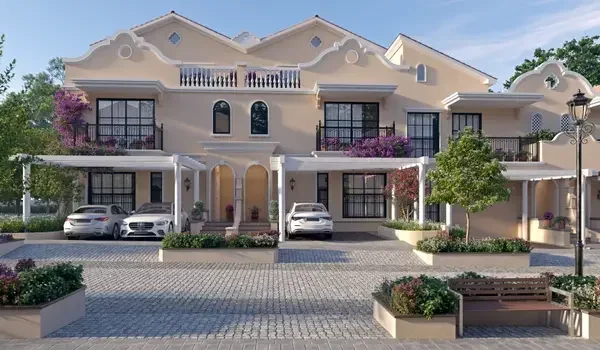
- Smart Layout Options: At Nambiar Aranyaka, east-facing villas span 3,732 to 4,638 sq. ft. across G+2 floors. These layouts catch early daylight while keeping private rooms cool later in the day.
Early morning light helps you wake up naturally. It makes breakfast areas feel warm and inviting. For families who spend their mornings at home, this orientation feels very comfortable.
West-Facing Villas: Key Features and Benefits
West-facing villas catch bright light from afternoon until sunset, making indoor areas bright late in the day.
- Late Day Light: Rooms stay bright well into the evening without turning on electric lights.
- Warmth in Cool Weather: Afternoon sunlight can keep the living areas warm during cooler months.
- Good for Evening Time: West-facing gardens and decks are a nice place to sit and relax after work.
- Easy Ways to Reduce Heat: Roof shades, window blinds, and plants can help reduce the heat.
If your family spends most of their time at home in the late afternoon, a west-facing home offers plenty of light. Kids can play in the yard with good light until the sun sets.
Comparison Table: East-Facing vs West-Facing Villas
| Feature | East-Facing Villa | West-Facing Villa |
|---|---|---|
| Best Sunlight Hours | 6:00 AM to 11:30 AM | 1:00 PM to 6:00 PM |
| Afternoon Heat | Low to medium | Medium to high |
| Air Conditioning Needs | Lower in summer afternoons | Higher if windows have no shade |
| Best Suitable For | Early risers and morning lovers | Evening activity and late-day light |
| Shading Needs | Basic window curtains | Wide roof eaves and thick blinds |
| Buyer Demand | Very popular with traditional buyers | High demand in well-shaded communities |
Managing Heat and Staying Cool
West-facing homes catch stronger sun late in the day, so smart building methods are key to keeping them cool.
- Wide Roof Overhangs: Extended roofs block high sun rays from hitting large window glass directly.
- Special Glass Windows: Tinted or double-glass windows block heat while letting clear light inside.
- Wall Insulation: Thick outer walls stop heat from passing into your bedrooms.
- Trees and Plants: Planting tall trees along the west side creates natural shade and lowers wall temperatures.
Good builders design homes to deal with heat automatically. When walls and glass are built well, a west-facing villa stays just as cool as an east-facing one.
Why Floor Plans Matter More Than Facing Direction
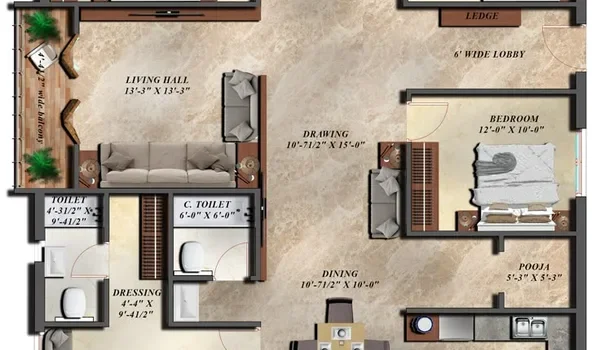
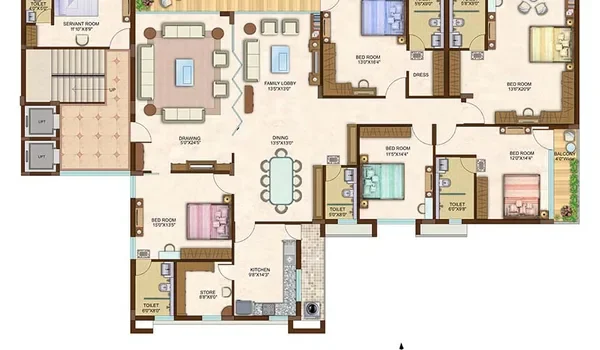
A smart floor plan creates a better living experience than main door direction alone.
- Living Room Spots: Keep main sitting areas in zones that do not get harsh afternoon glare.
- Window Alignment: Place windows on opposite walls so wind can blow straight through the house.
- Balcony Position: Position private balconies to catch breezes without taking direct summer heat.
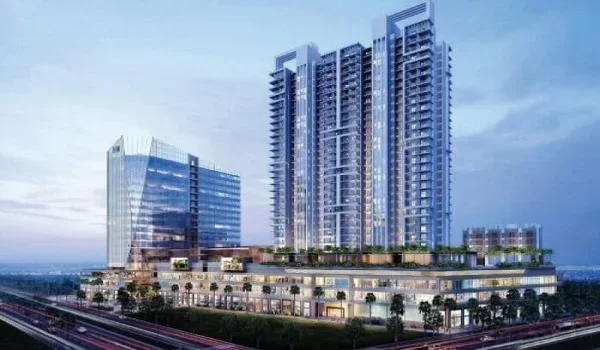
- Complete Built Homes: At Nambiar Aranyaka, a pre-launch 76-acre forest-themed villa project in Bilwaradahalli along Bannerghatta Road, South Bangalore (Phase 1 covers 36 acres with 298 luxury villas), homes are built fully as G+2 structures. Prices start at ₹5.48 Cr for 35×55 ft formats and go up to ₹7.29 Cr for flagship layouts, with K-RERA registration currently in progress.
When rooms have open pathways for air, fresh breezes cool the home down fast. That makes cross-ventilation more important than the compass direction of your driveway.
Location and Master Layout Benefits
Where your villa sits within a gated community changes how much light and air you get.
- Corner Units: Corner villas have open space on two or three sides, bringing in light from multiple directions.
- Park Views: Villas next to parks or green belts get cool air filtered by trees.
- Road Clearance: Wide roads in front of your gate mean neighbouring buildings will not block your sunlight.
Even a west-facing home will feel cool if it faces a dense green park. Likewise, an east-facing home can feel dark if another tall villa stands right next to it. Always look at the surrounding space when visiting a site.
Key Steps Before Booking Your Villa
Follow these simple checks to make sure you select the best unit for your family.
- Visit at Two Different Times: Walk through the villa at 9:00 AM and again at 3:00 PM to see how light shifts.
- Check the Windows: Check the window size and make sure they have proper shade or overhangs.
- Check the Air Flow: Open the doors and windows to see if fresh air can move easily through the home.
- Check Project Documents: Confirm the launch date, possession date, and legal approvals with the builder.
Taking time to test these points helps you make a confident choice based on real facts rather than guesses.
Final Thoughts
Both east-facing and west-facing villas can be a good choice when they are well designed. An east-facing villa is suitable for people who like morning sunlight and cooler afternoons. A west-facing villa can be a good option for people who enjoy evening light and spending time outdoors. Look at the complete villa layout, construction quality, ventilation, and surroundings instead of checking only the main door direction. Projects like Nambiar Aranyaka in South Bangalore offer spacious G+2 villa layouts with good planning for light and heat in different directions, helping create a comfortable home for the long term.
FAQs
No single facing is better for everyone. East-facing villas stay cooler in the afternoon, while west-facing villas give you bright light in the evening. Pick the one that matches your personal routine.
They can, if direct afternoon sun hits unshaded glass. But using shaded windows, curtains, and good insulation keeps cooling costs low and manageable.
Airflow depends on window placement and open doors, not the main door direction. Having windows on opposite walls ensures smooth air movement across rooms.
Location, layout quality, project amenities, and maintenance matter far more for resale value than facing alone. A well-built villa in a good area sells well regardless of facing.
Always check the RERA approval status, possession dates, floor layout plans, wall insulation quality, and total green space before making a booking payment.